

LiFePO4 Battery Buying Guide for Homeowners
LiFePO4 Battery Buying Guide for Homeowners
Choosing the right energy storage for your home can be tough. This guide helps homeowners in India understand LiFePO4 batteries. It shows the benefits of this advanced technology for your home’s power needs.
LiFePO4 batteries are efficient and last long. They are great for homes. Knowing their benefits can help you use energy better and support your home’s green goals.
Key Takeaways
- LiFePO4 batteries are known for their durability and longevity.
- They are environmentally friendly options for energy storage.
- Understanding battery capacity is key to meeting your home’s energy needs.
- Homeowners can choose between DIY or professional installation based on their comfort level.
- Assess the cost benefits of LiFePO4 batteries for long-term savings.
Understanding LiFePO4 Battery Technology
LiFePO4 technology is a big step forward in battery performance and safety. It’s short for Lithium Iron Phosphate, a key material in rechargeable batteries. Knowing about LiFePO4 helps us see how it makes batteries better and safer.
What is LiFePO4?
LiFePO4 batteries use a special cathode material. This makes them safer and more reliable than other lithium-ion batteries. They don’t get as hot, which means they’re safer for homes.
Benefits of LiFePO4 Batteries
LiFePO4 batteries have many good points. They stay cool, which lowers the risk of dangerous overheating. They also last a long time, up to 2000 charges, without losing much power. This makes them cost-effective and eco-friendly, perfect for homes.
Why Choose LiFePO4 Batteries for Your Home?
Choosing the right battery for your home is key for efficiency and sustainability. LiFePO4 batteries are top-notch for homes because they last long and are good for the planet. Knowing why they’re a great choice helps homeowners make smart decisions.
Durability and Longevity
LiFePO4 batteries are durable, unlike old lead-acid batteries. They can go through over 3000 cycles, lasting much longer. This means you won’t need to replace them as often, saving money in the long run.
They’re also built to withstand deep discharges without losing performance. This makes them reliable, even in tough conditions.
Environmental Considerations
LiFePO4 batteries are better for the environment than many other options. They’re made from less toxic materials and don’t harm ecosystems. Plus, they can be recycled, making them eco-friendly.
As we focus more on being green, choosing LiFePO4 batteries is a step in the right direction. It shows a commitment to reducing our carbon footprint.
Key Specifications to Consider
Choosing LiFePO4 batteries for your home means looking at a few key specs. Capacity sizing and voltage ratings are important. They help your battery meet your energy needs and work well with your systems.
Capacity Sizing Explained
Capacity sizing shows how much energy a battery can hold, in kWh. You need to know how much power your home uses. For example, if your home uses 30 kWh a day, you’ll need a battery with at least that much capacity.
Choosing the right size battery boosts your energy independence. It also makes sure your battery works well.
Voltage Ratings and Compatibility
Voltage ratings tell you a battery’s electrical power. This affects how well it works and if it fits with your systems. Most homes use standard voltages like 12V, 24V, or 48V.
It’s key to pick a battery with the right voltage for your inverter and other parts. The wrong voltage can make things less efficient or even break them. So, knowing your battery’s specs is very important.
| Battery Model | Capacity (kWh) | Voltage Rating (V) | Recommended Use |
|---|---|---|---|
| Model A | 10 | 12 | Small Household |
| Model B | 20 | 24 | Medium Household |
| Model C | 30 | 48 | Large Household |
Evaluating Your Power Needs
It’s important to know how much energy you use at home. This helps pick the right battery size for your needs. We’ll show you how to figure out your daily energy use and peak times for better energy storage.
Assessing Energy Consumption
Start by tracking your energy use for a week or month. This helps you see your daily patterns and when you use the most energy. By watching how big appliances like fridges and air conditioners work, you can understand your energy use better.
- Use a power meter to measure appliance usage.
- Review past electricity bills to gauge monthly fluctuations.
- Consider seasonal changes that impact energy needs.
Matching Battery Capacity to Your Usage
After figuring out your energy use, choose a battery that fits your needs. The battery should be big enough to handle your daily power needs, even when it’s most needed. This way, you won’t run out of power when you need it most.
| Appliance | Average Wattage | Hours of Use per Day | Daily Energy Consumption (Wh) |
|---|---|---|---|
| Refrigerator | 150 | 24 | 3600 |
| Air Conditioner | 2000 | 6 | 12000 |
| TV | 200 | 4 | 800 |
| Lighting | 100 | 5 | 500 |
| Total Consumption | 16800 Wh |
In this example, your daily energy use is 16,800 Wh. Choose a battery that’s bigger than this to meet all your power needs.
Installation Considerations for Homeowners
Choosing how to install your LiFePO4 battery is key to a good home energy system. Homeowners can either do it themselves or hire a professional. Each choice has its own benefits and challenges.
DIY vs. Professional Installation
DIY installation is great for those who are handy and want to save money. With the right tools and knowledge, you can install the battery yourself. This can save a lot on labor costs.
But, DIY requires knowing about electrical systems and safety. It’s important to do it right to avoid problems.
Professional installation, on the other hand, gives you peace of mind. Experts ensure the system is set up correctly. This might cost more upfront, but it’s safer and more reliable in the long run.
Think about your system’s complexity and your DIY comfort level. If you choose professional installation, look for a reputable company. Making an informed choice helps homeowners get the best fit for their needs.
Cost Factors of LiFePO4 Batteries
Choosing LiFePO4 batteries means looking at both the cost now and the savings later. Knowing how much LiFePO4 batteries cost helps see their value against other options.
Initial Investment vs. Long-Term Savings
LiFePO4 batteries cost more at first than old-school lead-acid batteries. This might worry some people. But, these batteries last a long time and work well, saving money in the long run. They can last up to 10 years or more, cutting down on replacement costs.
When you think about it, the money you spend upfront is often made back by saving on energy bills and needing less maintenance.
Cost Comparison with Other Battery Types
It’s good to compare LiFePO4 batteries with lead-acid and nickel-based ones. This shows their money-saving points:
| Battery Type | Initial Cost (per kWh) | Average Lifespan | Maintenance Cost | Estimated Long-Term Savings |
|---|---|---|---|---|
| LiFePO4 | ₹15,000 | 10-15 years | Low | High |
| Lead-Acid | ₹8,000 | 3-5 years | Moderate | Low |
| Nickel-Based | ₹12,000 | 5-10 years | High | Moderate |
This shows LiFePO4 batteries cost more at first. But, their long life and low upkeep lead to big savings. They’re a smart choice for those wanting green energy.
Top Brands of LiFePO4 Batteries
Looking for the best LiFePO4 batteries? Check out different well-known brands. Many LiFePO4 battery brands are known for their quality. They have good reviews from users. This helps homeowners choose the right battery for their needs.
Invergy: Powering Indian Homes with LiFePO4
Invergy Power Supply is among the leading providers of advanced LiFePO4 batteries in India. Their solutions are designed for residential, commercial, and solar rooftop applications.
Why Invergy?
-
High cycle life batteries for long-term reliability.
-
Safe and thermally stable design for Indian conditions.
-
Seamless integration with solar rooftop systems.
Check out Invergy LiFePO4 Batteries to explore energy storage solutions tailored for homes.
Reputable Manufacturers to Consider
- A123 Systems: Known for their high-performance lithium-ion batteries, A123 Systems excels in reliability and efficiency.
- Battle Born Batteries: This brand focuses on providing durable and dependable batteries ideal for RV and marine applications.
- Renogy: A leader in solar energy solutions, Renogy offers LiFePO4 batteries that integrate seamlessly with solar systems.
- Victron Energy: Their batteries are recognized for their high-quality performance and extensive warranty options.
- Discover Battery: A well-established name, Discover Battery specializes in producing deep-cycle batteries optimized for various applications.
Product Reviews and Recommendations
Product reviews are key in choosing the right LiFePO4 battery. Many customers praise the durability and long life of these batteries. For example, Battle Born Batteries are known for their strength and long life, making them great for off-grid systems.
Renogy’s batteries work well with solar setups, storing energy efficiently. Looking at product reviews can show you the good and bad of each brand. This helps you find the best one for you.
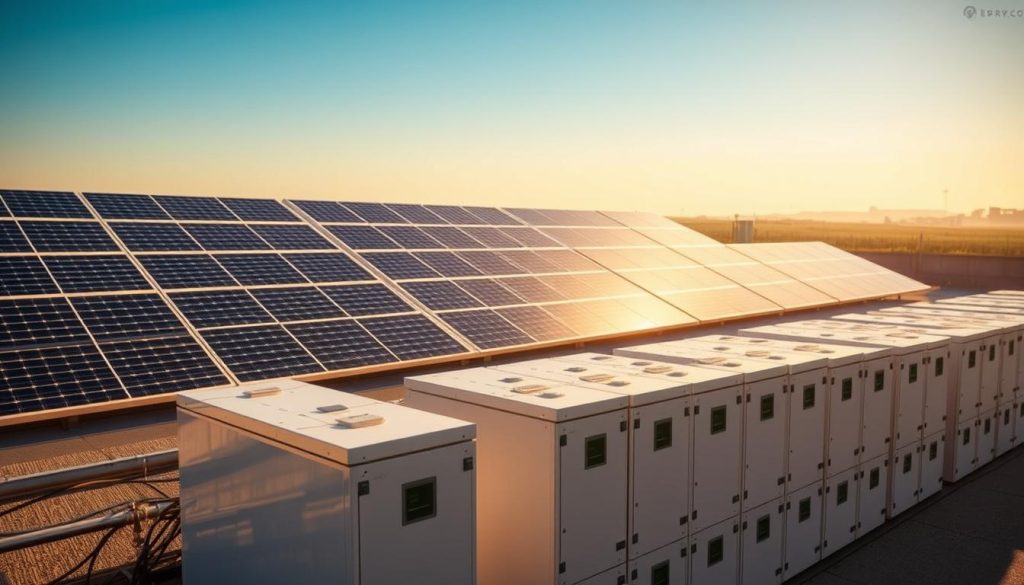
Tips for Selecting LiFePO4 Batteries for Rooftop Solar
Homeowners looking into LiFePO4 batteries for rooftop solar need to pay attention to certain tips. These tips help store solar energy well and work smoothly with current solar setups. Knowing the battery specs and energy needs boosts the solar system’s performance.
Optimizing Battery for Solar Energy Storage
To get the most out of solar energy storage, check the battery’s capacity and how much it can discharge. Choose batteries that can handle high discharge rates. This ensures they work well on sunny and cloudy days.
Opt for batteries with a higher capacity for better solar absorption. This helps manage energy for home use effectively.
Ensuring System Compatibility
When picking batteries for rooftop solar, making sure they’re compatible is key. Check if the LiFePO4 batteries’ voltage matches your solar panels and inverters. Always check the manufacturer’s specs to avoid problems.
Talking to solar energy experts can help find the right energy solution for your home.
Conclusion
In this LiFePO4 battery summary, we’ve looked at the advanced tech behind these batteries. They are becoming popular among homeowners for good reasons. Their long life, green benefits, and high energy efficiency make them stand out.
When choosing home energy solutions, think about more than just the cost. Consider the long-term savings LiFePO4 batteries can bring. This is key to sustainable living.
This guide concludes by saying picking the right LiFePO4 battery is about your energy needs and system compatibility. With top brands and options, you can trust in a reliable, eco-friendly choice.
When making your choice, focus on efficiency, long life, and environmental impact. An informed decision will improve your home’s energy use and help the planet.
FAQ
What is the average lifespan of LiFePO4 batteries?
LiFePO4 batteries can last over 3,000 cycles. This means they can go for many years with the right care. They are a smart choice for homeowners.
How do I determine the right capacity sizing for my home?
First, figure out your daily energy use. Then, think about when you use the most energy. This helps pick the right battery size for you.
Are LiFePO4 batteries safe for home use?
Yes, LiFePO4 batteries are safe. They stay cool and don’t catch fire like some other batteries. This makes them safe for your home.
Is it possible to install LiFePO4 batteries myself?
You can try installing them yourself. But, you need to know about electrical systems. It’s safer to get a pro to do it right.
What should I consider regarding compatibility with existing systems?
Make sure the battery and your system match. Check the voltage and specs of both. This ensures they work well together.
Why are LiFePO4 batteries considered environmentally friendly?
LiFePO4 batteries are less toxic and easier to recycle. This makes them a green choice for storing energy.
How does the initial investment in LiFePO4 batteries compare to long-term savings?
LiFePO4 batteries cost more upfront. But, they save you money on bills and need less maintenance over time. This leads to long-term savings.
What are the top brands to consider when purchasing LiFePO4 batteries?
Look at A123 Systems, Battle Born Batteries, and Reliance Power. These brands are known for quality and reliability in LiFePO4 batteries.
How do I optimize my LiFePO4 battery for solar energy storage?
Make sure the battery’s capacity fits your solar panels. Also, check it’s compatible with your solar inverters. This maximizes your energy use.

Invergy