Inspirations/Detail
Detail · 7 min read
Roof and cladding: where Indian buildings actually fail
Not in the middle of the roof. At the edges, the junctions and the penetrations.
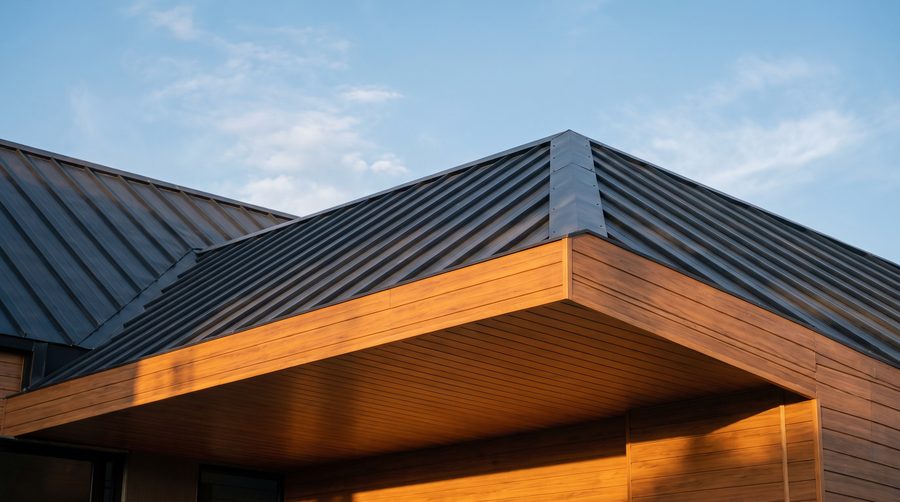
A flat roof rarely leaks in the field. It leaks at the parapet junction, at the drain outlet, around the plumbing vent, at the door threshold to the terrace. Those are the places where two materials meet and somebody had to make a decision, and they are where inspection effort belongs.
For terraces, the two things that matter are fall and detail. Water should have somewhere to go and a clear route to get there, with the membrane turned up at every vertical face and dressed properly into outlets. A terrace that ponds after rain will find a way in eventually, however good the membrane.
Insulation on the roof is the single highest-return thermal intervention in an Indian house, because that is the surface taking the most sun. Over-deck insulation under a protective screed outperforms anything applied to the ceiling below, and it also protects the waterproofing from thermal cycling.
For cladding, ask about the cavity and about fixings. A rainscreen works because it is drained and ventilated behind, and because the fixings are specified for the wind loads at your height. Both are invisible once installed, which is exactly why they get cut.
A flat roof rarely leaks in the field.