Inspirations/Process
Process · 6 min read
Switches and sockets: count them before the walls close
Nobody has ever finished a house wishing they had fewer sockets.
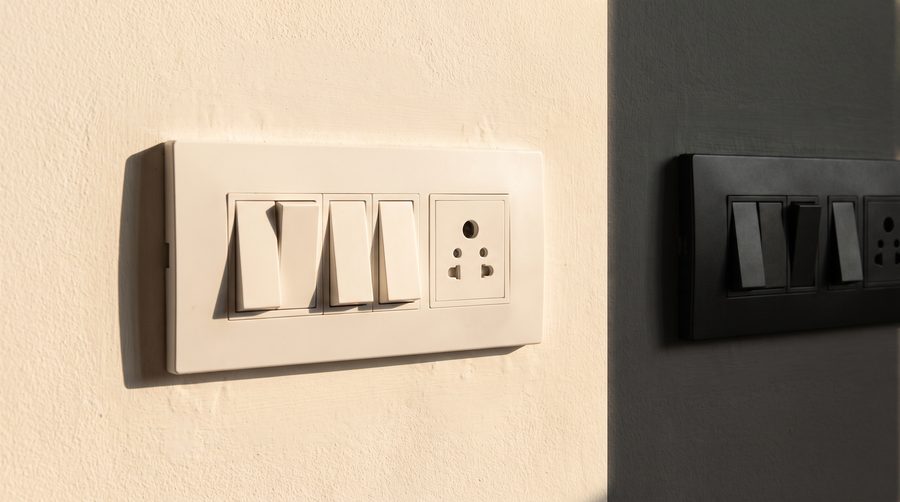
Adding a socket after plastering means chasing a wall, patching and repainting — a disproportionate amount of disruption for a small omission. Adding one before is a few hundred rupees. The asymmetry is so severe that generosity at first fix is simply the correct strategy.
Walk each room imagining a normal evening. Where does a phone charge overnight. Where does the vacuum plug in so it reaches the whole room. Is there a socket beside the dining table for a laptop, near the mirror for a dryer, at the head of the bed on both sides. Count what you need, then add a third.
Heights are worth thinking about once. Sockets at 300mm read as standard; at 450mm they are easier to reach without bending and considerably easier for anyone with mobility issues. Bedside sockets belong above the mattress line, not behind the headboard.
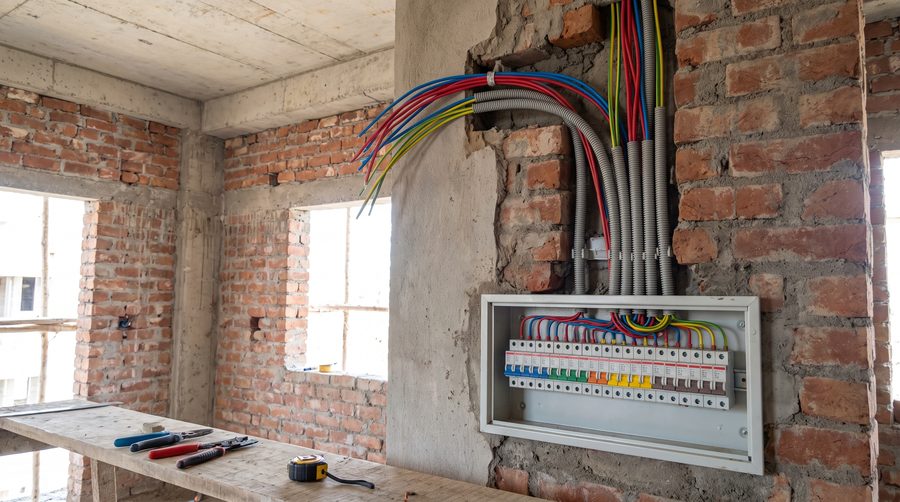
Keep circuits separate for anything that draws heavily — air conditioners, geysers, the hob. A single tripped breaker taking out half the house is a design decision, not bad luck.
Keep circuits separate for anything that draws heavily — air conditioners, geysers, the hob.